Gravesite Holds A Forgotten Story
A walk to the General Cemetery led to Michele Scriva, the 'Ndrangheta, and a murder that was never fully answered for.
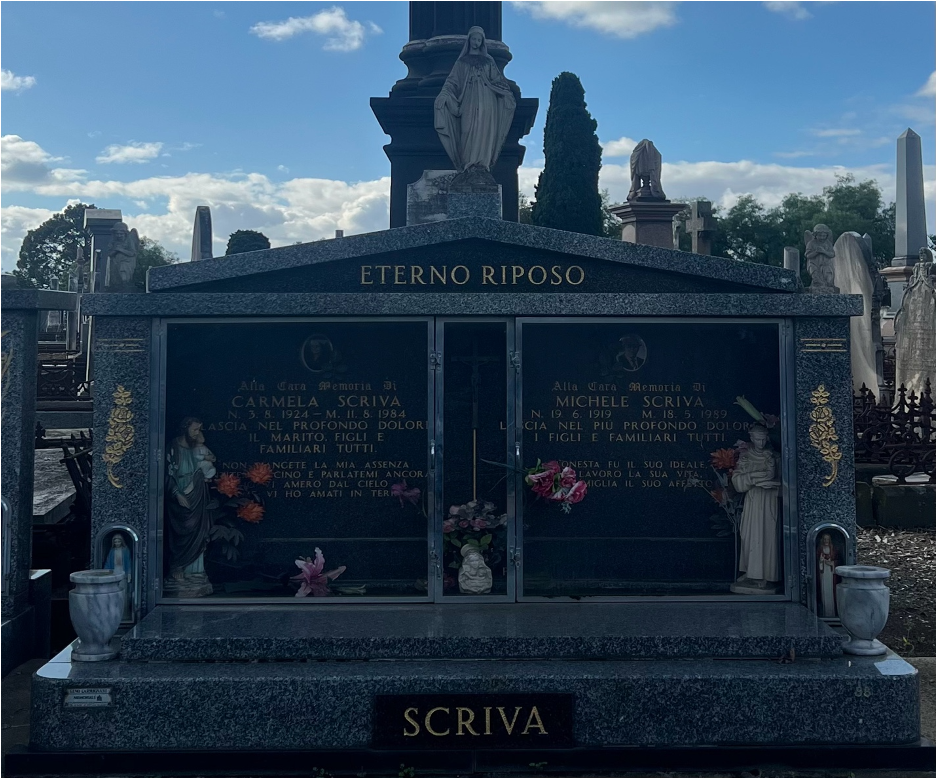
Tucked in a corner of a Melbourne cemetery, a granite tomb reads Eterno Riposo — eternal rest. The Scriva family name is carved below. But the story buried with them is anything but quiet.
Michele Scriva arrived in Melbourne from Sicily in the late 1930s, one of thousands of Italian migrants who settled in the city's inner north. He ran a small business, raised a family, and by all appearances lived a quiet life.
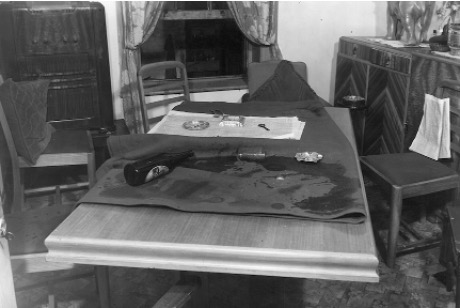
But in September 1950, Frederick John Duffy was stabbed to death on a North Melbourne street. The case that followed would drag the Scriva name into headlines, into courtrooms, and into the complicated, often unspoken history of organised crime in postwar Australia.
Michele Scriva, 37, was charged over the murder. His wife Carmela stood beside him through a trial that became tabloid fodder — the Argus ran headlines about suit colour clashes and alibi testimony. The courtroom became a stage.
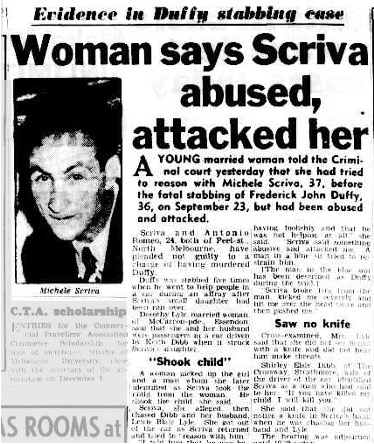
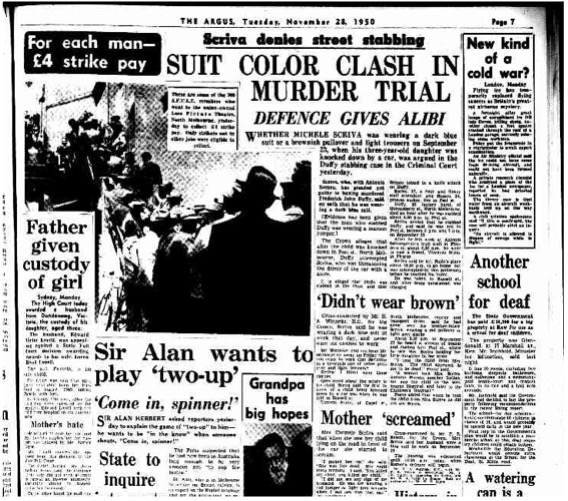
What the headlines obscured was a deeper story. Testimony from Carmela and others painted a picture of intimidation, of a woman trying to speak against a man with community standing and the implicit backing of a network that newspapers of the era rarely named directly.
The language of the time — "Mafia" whispered but rarely printed — hovered over the proceedings. Witnesses recanted. Evidence shifted. The case wound through appeals and retrials.
Standing at the Scriva grave today, the gold lettering catches afternoon light. Fresh flowers sit in the alcoves beside ceramic saints. Someone still visits. Someone still remembers.
The story of Melbourne's Italian underworld in the postwar decades is largely untold in mainstream historical accounts. The Scriva case is a window into it — a moment when the private violence of a community became, briefly, public.
Carmela Scriva died in 1984. Michele in 1989. Eterno riposo.