Climbers Divided As Bans Reshape Access To Victoria's Rock Sites
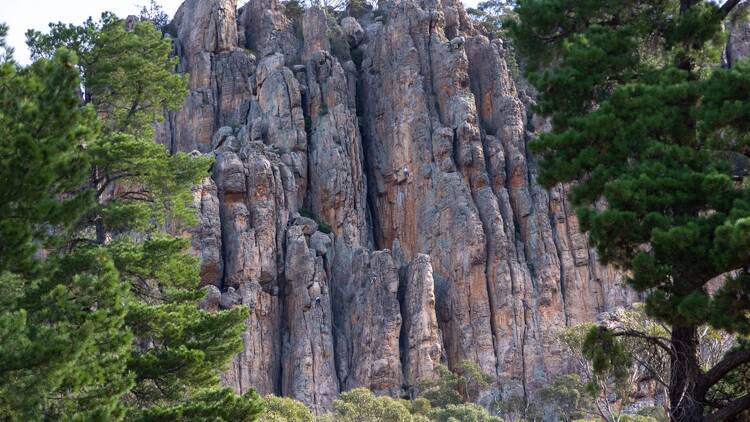
Victoria's climbing community has grown rapidly over the past decade, but that growth is now colliding with increasing restrictions across key climbing sites.
Parks Victoria began imposing restrictions in the Grampians in March 2019, as it moved to update a land management plan that had not been revised since 2003.
The final plan was released in December 2021. Since then, roughly half of previously used climbing areas in the Grampians have been restricted.
The area is known as Gariwerd by Traditional Owner groups, the Eastern Maar, Barengi Gadjin and Gunditj Mirring. It comprises the largest concentration of Indigenous rock art in Victoria, with human occupation dating back 22,000 years.
In 2020, cultural heritage surveys conducted by Traditional Owners and advisors had covered less than five per cent of the Gariwerd landscape.
Traditional Owner perspectives were included in the 2021 management plan.
"All of this art has stories attached, that value isn't recognised for what it is by most visitors," a Traditional Owner from the Eastern Maar Aboriginal Corporation said.
A spokesperson for Parks Victoria said the Dyurrite Cultural Landscape "holds a deep connection for the Traditional Owners spanning thousands of years."
Mt Arapiles (Dyurrite) currently has voluntary bans across five climbing areas following the rediscovery of additional cultural heritage in 2020. The crags are internationally recognised climbing destinations.
Amendments to the Dyurrite Cultural Landscape Management Plan have been underway since. The amendments could lead to permanent bans but are currently on pause following community consultation.
The Dyurrite Community Working Group was established to consolidate ongoing discussions. It includes Parks Victoria, the Barengi Gadjin Land Council and other key stakeholders, including climbing groups.
About 90 per cent of the 1,000 respondents to the 2025 engagement report self-identified as climbers. The most common theme was rock climbing, followed by recognition of the need to protect cultural heritage.
Libertarian MP David Limbrick and Liberal MP Beverley McArthur have publicly opposed the restrictions.
"Public land should be available to the public," Mr Limbrick said.
However, this view is not shared across the entire climbing community.
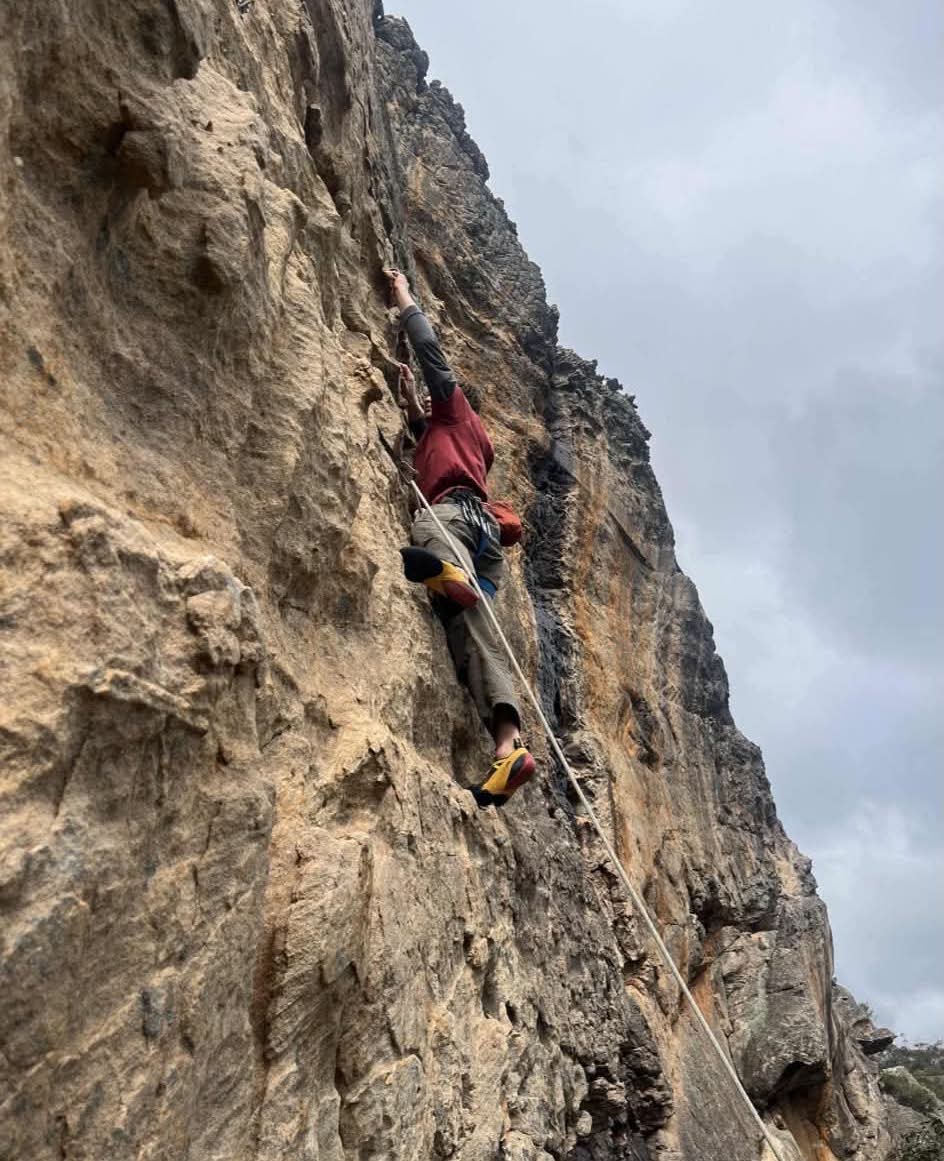
Peter Reynolds, a climber of 32 years, said the community is generally thoughtful and welcoming.
"99 per cent of people fully respect the bans," he said.
His frustration lies in what he describes as a "blanket ban."
"There's often no real explanation as to why one area has been banned and another hasn't," he said.
The exact locations of many Aboriginal cultural heritage sites are not publicly disclosed, with legislation allowing authorities to protect culturally sensitive information.
The environmental impact of climbing remains contested. Chalk use and bouldering mats have been discussed as to their impact on vegetation and rock faces.
Parks Victoria's visitor guide states climbers should avoid damaging rock or vegetation and minimise chalk use. Chalk should also match the colour of the rock surface.
Climbing is one of the fastest-growing sports globally, with indoor gyms introducing a new generation to the sport. This is a shift that some say is changing how climbers engage with outdoor environments.
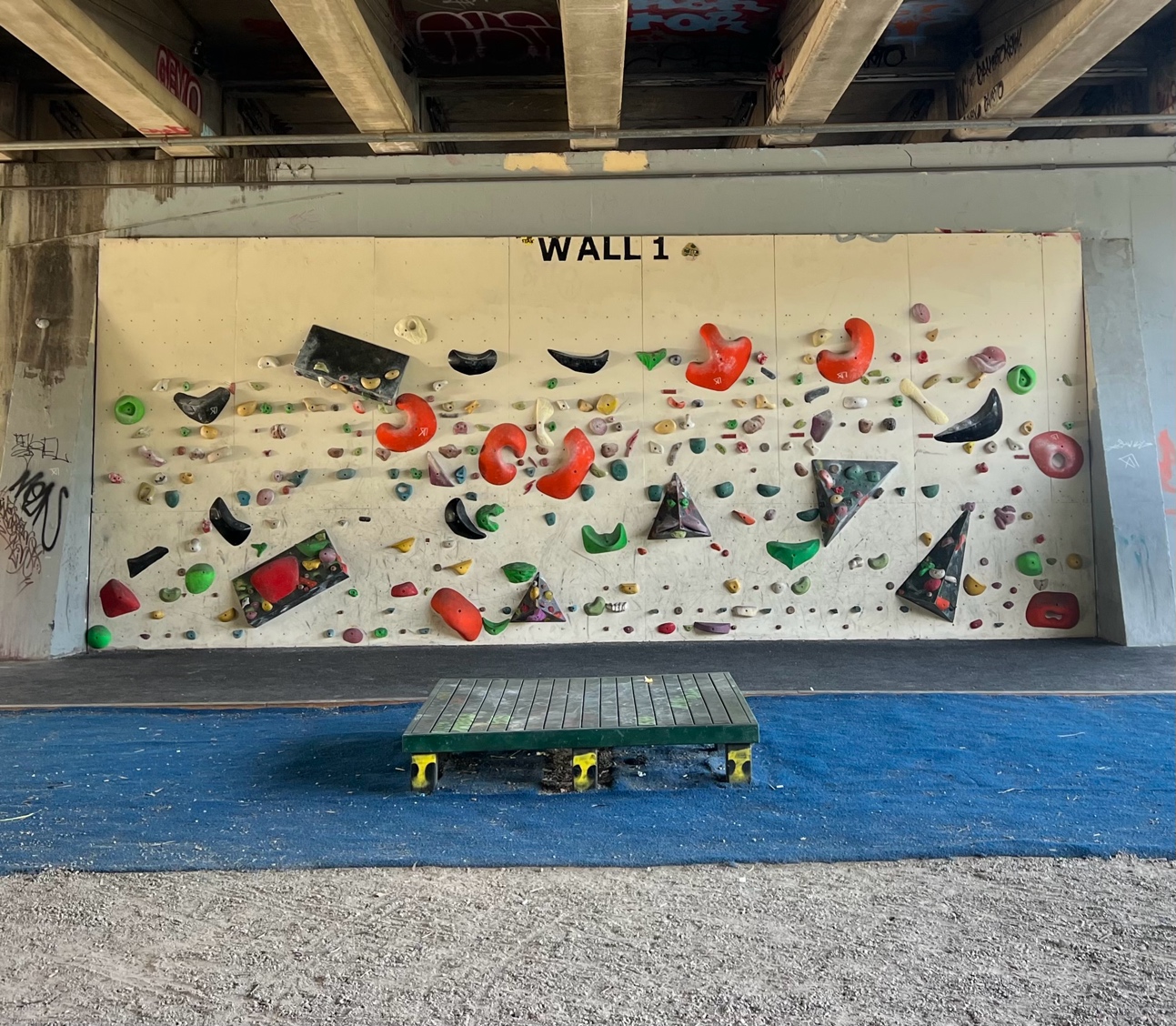
"There are lots of people who just go climbing indoors ... that can possibly impact on how people treat the environment if they're not really used to spending time with it," Peter said.
As climbing grows in popularity, those who have been involved for years have seen a shift.
"It's gotten smaller, in a way," Peter said.
"20 years ago, fewer people climbed, there was more of a tight-knit community," he said.
The restrictions have highlighted divisions within the climbing community.
"As a rock climber, I'm extremely disappointed in the rock-climbing community's response and organising efforts," another survey respondent said.
Climbing-focused Facebook groups have become key spaces for debate and updates.
Climbing Association of Victoria president Mike Tomkins has been a vocal opponent of the bans.
"Climbing bans were never necessary, no harm has ever been done, climbers have been beneficial in many ways," he said.
He said climbers are becoming "more united in their distaste for access bans."
The future of Mt Arapiles remains under review by the Community Working Group.
A spokesperson from Parks Victoria said "[The group] is working collaboratively to find a balance between protecting cultural values while minimising restrictions for climbing, outdoor education and other recreational activities."
The voluntary bans at Dyurrite remain in place.
As the Community Working Group continues its discussions, the future of climbing access remains uncertain. Whilst the sport grows, so too does the tension between access, cultural protection and a community divided over where that balance should lie.
The Barengi Gadjin Land Council was contacted for comment.