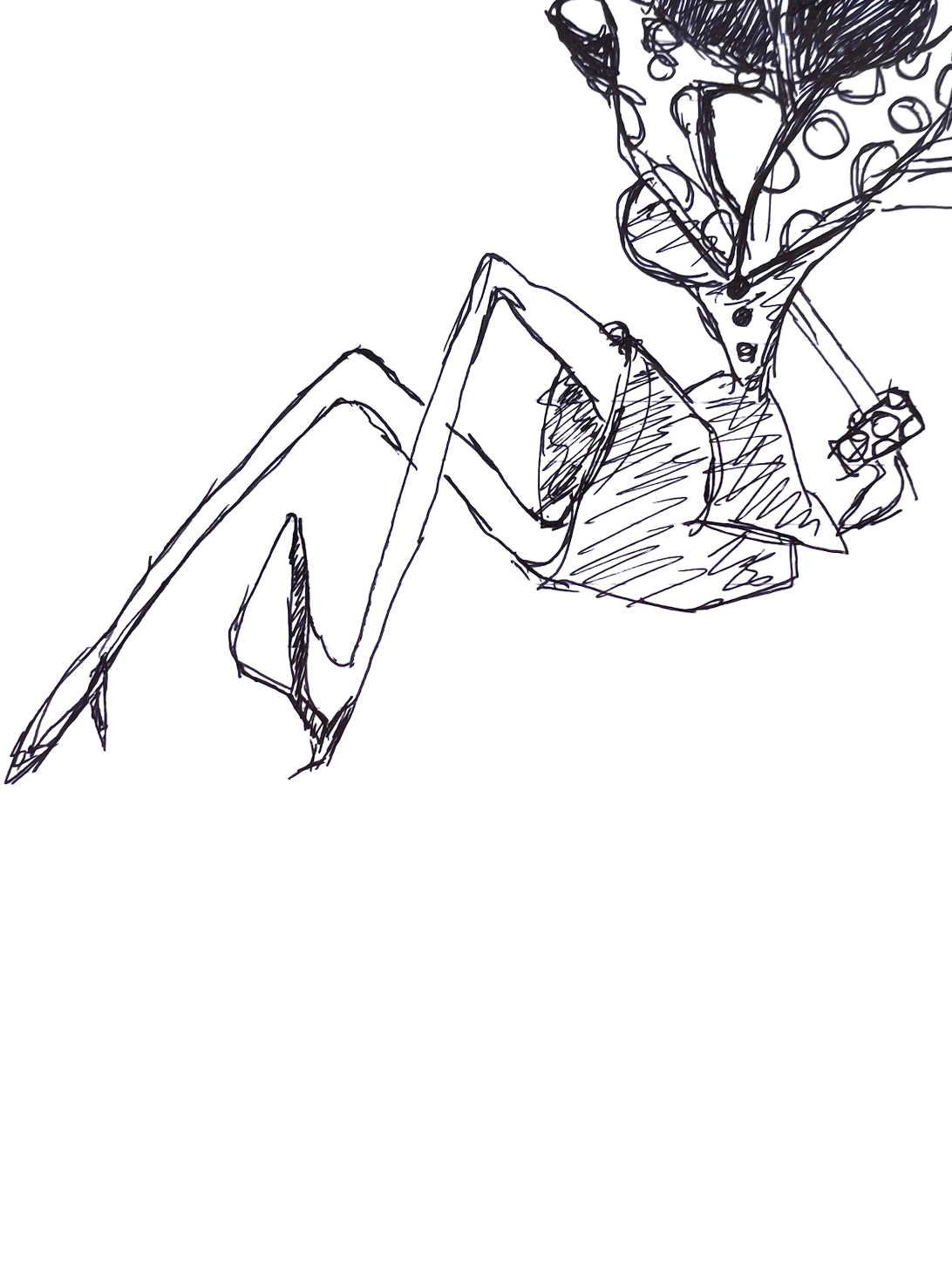
The Shit Work.
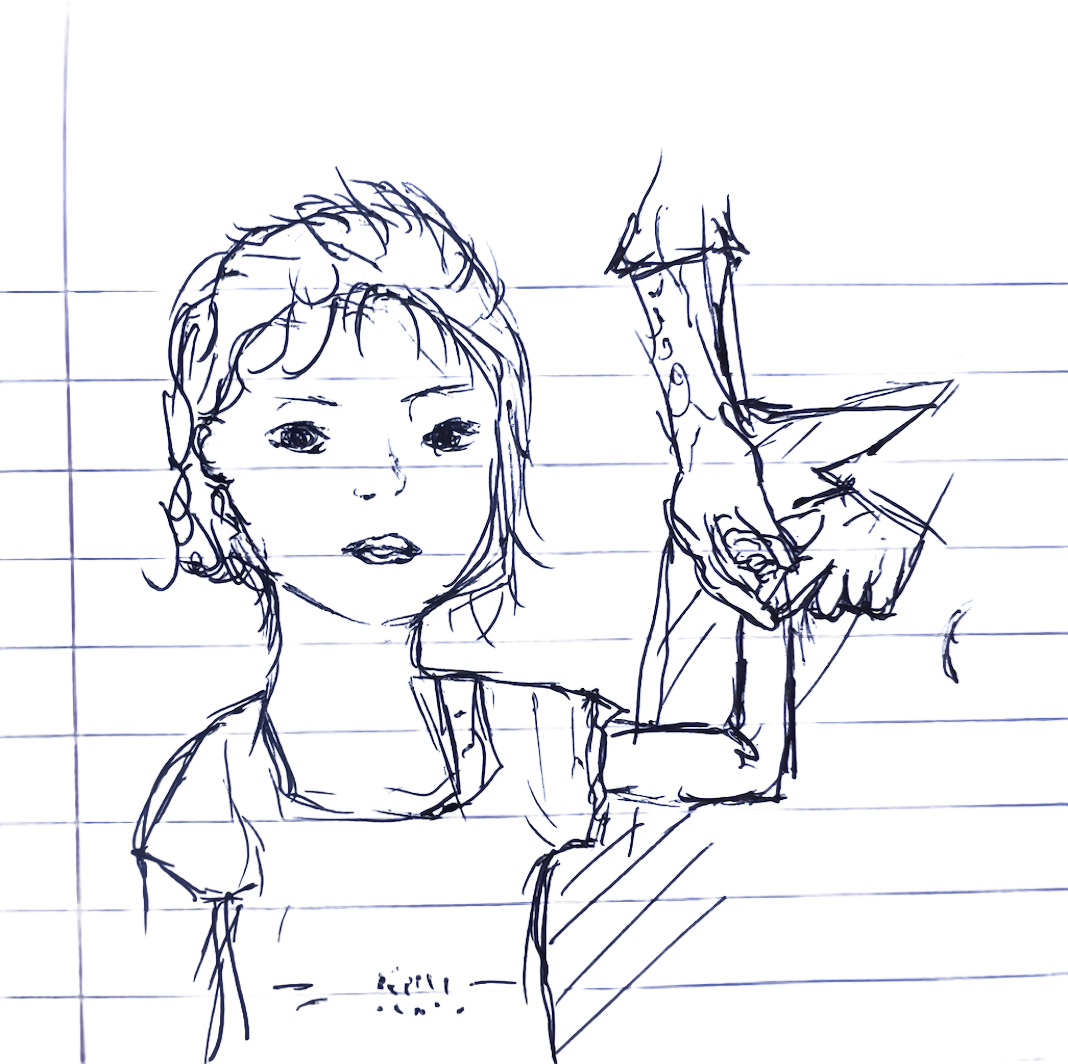
6:00 p.m. Dark, undoubtedly cold — and for a four-year-old, late.
Whichever unlucky kindergarten teacher in charge of getting the last child home was stuck with me. I was being raised by a single father at the time, busy climbing the corporate legal ladder. The senior partners weren't all that forgiving of a hard out at 5pm.
Following a string of these 6pm departures my dad hired Vestavia. She was kind, she had a boyfriend and a collection of hermit crabs — I'd help paint their shells. But 20 years later, that's all I can remember about her.
As a child of a 50/50 divorce, I played the field. At mum's house, 9GO! was my haven. Afternoons were filled with back-to-back marathons of The Nanny or The Brady Bunch.
Mum would walk through the living room, her comments trailing behind along with the scent of whatever Jean-Paul Gaultier was pumping out at the time.
Mary Poppins was a family favourite. Emma Thompson's Nanny McPhee, a classic of the time. These women, although fictional, were the icons of my adolescence.
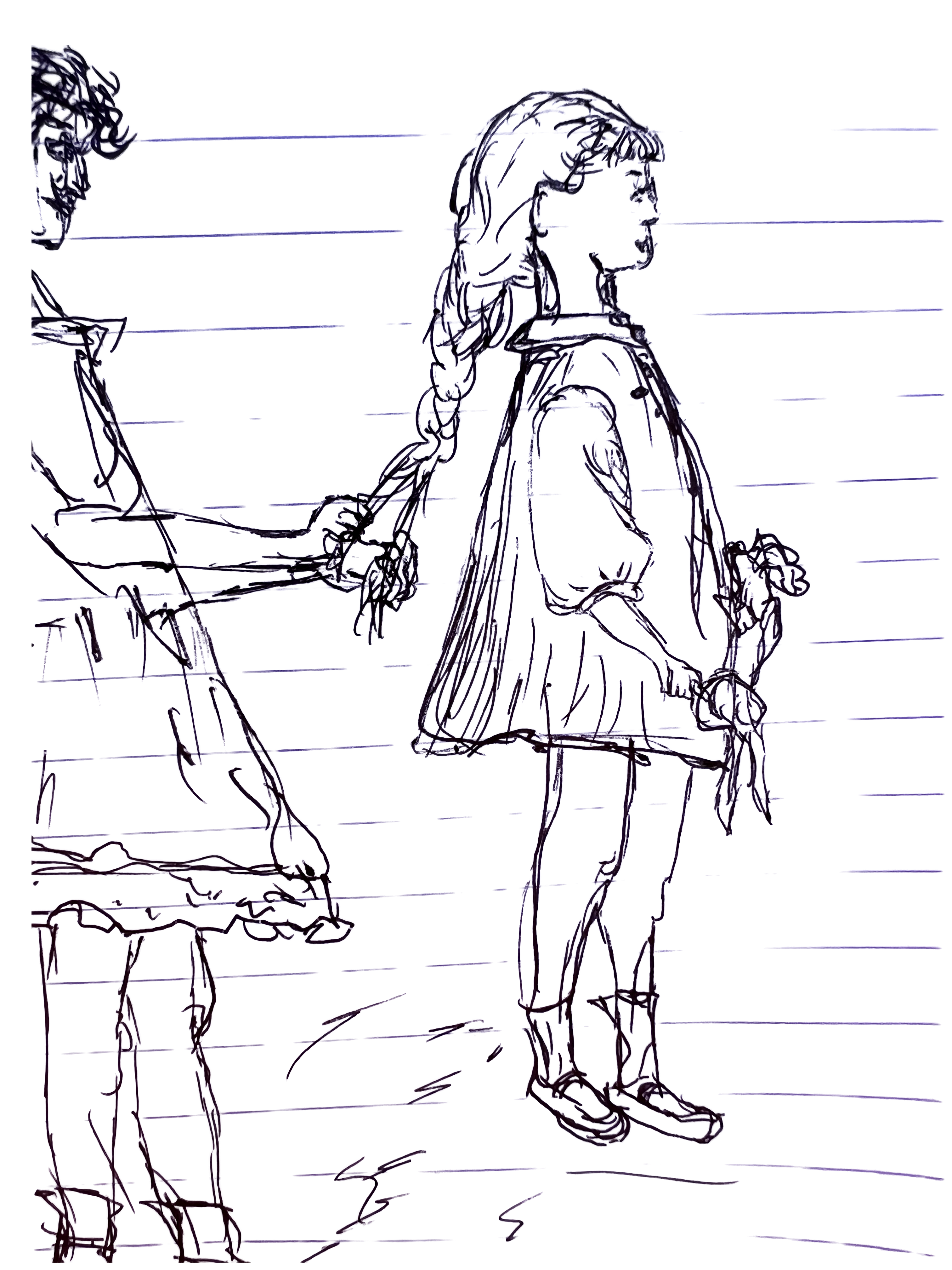
It's 2023 and I'm browsing findababysitter.com. A job posting for a family with four kids comes up. Two weeks later I'm meeting the family. Two years later I am still working for them.
I have become the women I grew up watching on TV. What The Brady Bunch didn't include was Alice's life. Did Alice ever get sick? Did she ever have to talk with Carol or Mike about a raise? Did Alice ever feel overlooked?
Cameron Macdonald, a sociologist, spent the late nineties interviewing eighty women from both sides of the employer/employee divide. Her book Shadow Mothers was the first time in two years I saw my feelings in print — how to quit your job when you are scared of losing a connection to the kids.
Macdonald framed childcare as "shadow work" — doing what "comes naturally" to women. Requiring neither skill nor effort. Women are expected to be "naturally" empathetic; nannies are expected to "naturally" love the children.
You find yourself in limbo. Do you advocate for your agreed-upon hours or better pay? If doing so upsets the family, you could find yourself fired. These children aren't yours of course, but your emotions don't just turn off when you leave.
When I first started, the children had acquired a Kiwi accent from their previous nanny. Now they have — for better or worse — gained some of my colourful language. Overheard conversations now sound like: "Bloody hell mate, be for real bro."
It's midnight. I'm in an Airbnb in Hobart for my Grandma's 90th, sneaking downstairs. I'm calling Laura Christina, a 36-year-old Peruvian woman who has worked as a nanny in Melbourne since 2023.
Talking to Laura was like being outside in the sun. At first her warmth and honest tone was all I felt — but as the hours ticked by, I realised I'd been burnt.
"She was starting to ask more of me. Oh, can you bring me a coffee? Can you make my bed? I did everything in that house."
"One day I asked permission to go to my university. It was very difficult to leave. I didn't have a car. I was always in the house."
"10pm, a message came through. Laura, you have to leave, do you have somewhere to go? They said I had to leave or she'd call the police. I got a plastic bag and started trying to see where I'd left my things. I had three days left on my old lease."
In 2018, the Migrant Justice Institute produced a national study of Au Pairs in Australia. Of the 1,500 surveyed, a third had been terminated early — 36 per cent given zero to one day's notice.
Laura now works with a family in Moonee Ponds.
Of course, you can technically take your employer to the Fair Work Commission. But more often than not, those in this field don't even know they qualify for basic workers' rights.
We have anywhere from 7,000 to 30,000 working nannies in Australia — but given the off-the-books nature, we can assume it's significantly more; and filled with stories much like Laura's.
It took 23 years for me to realise Alices and Marys and Frans were a thing of fiction. Modern nannies are red socks lost in a load of whites, spinning — invisible to the naked eye, but sooner or later their remnants will become evident.
In these moments I am Alice. I am Mary. I am Fran.